
Introduction to Micro Four Thirds and Interchangeable Lens Cameras
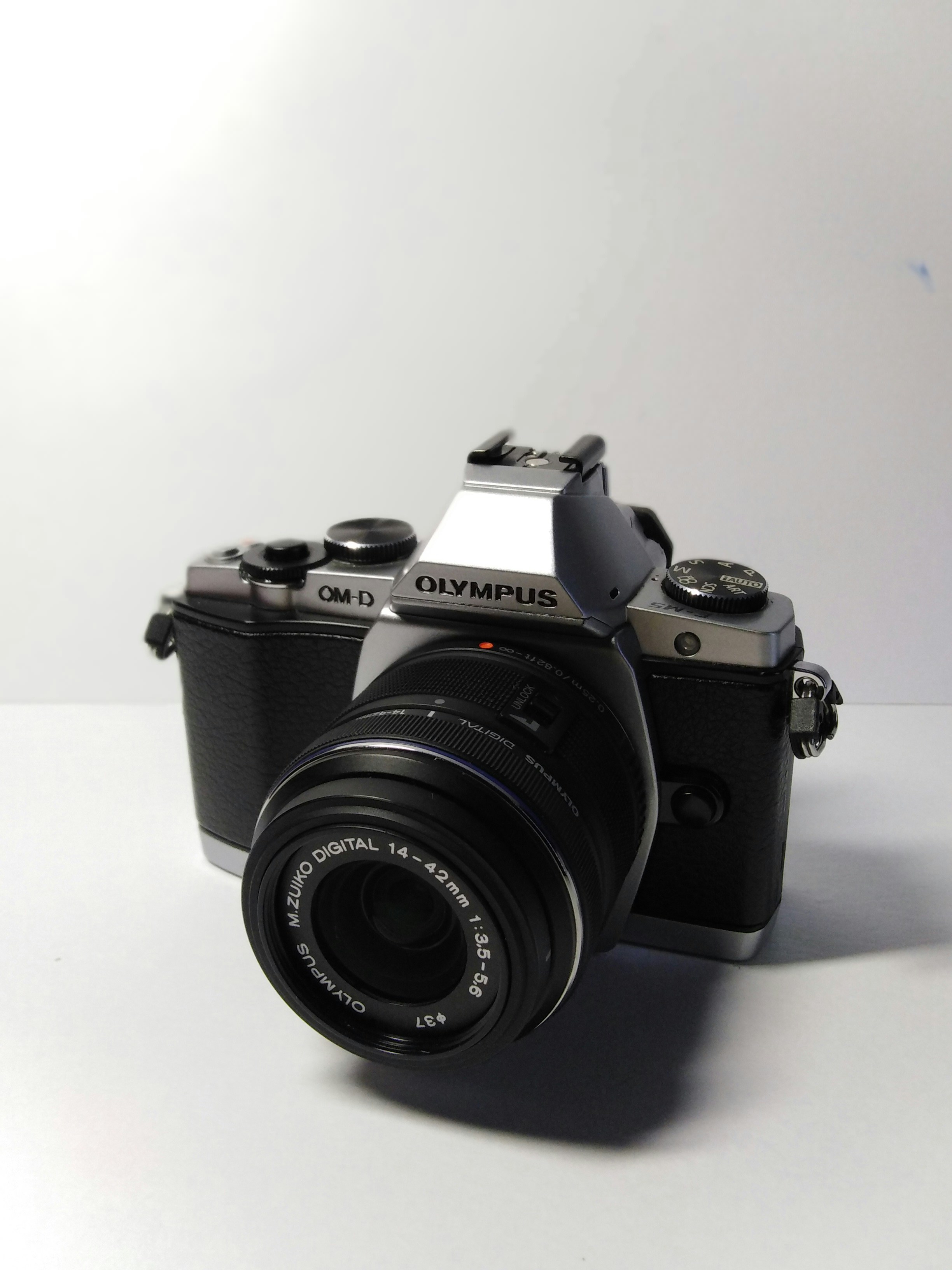
Micro Four Thirds (MFT) technology has gained significant traction in the photography and vlogging communities, offering a versatile solution for creators who seek high-quality imaging without breaking the bank. This camera system, characterized by its smaller sensor size relative to traditional DSLR cameras, allows for a compact and lightweight design, making it particularly appealing for vloggers who often need to travel or shoot in dynamic environments.
One of the key advantages of Micro Four Thirds cameras is their compatibility with a wide range of interchangeable lenses. These lenses vary in focal length and aperture, catering to different styles of vlogging—from wide-angle shots that capture expansive scenery to telephoto lenses ideal for close-up subjects. Such flexibility enhances creative expression and enables content creators to tailor their equipment to specific vlogging demands.
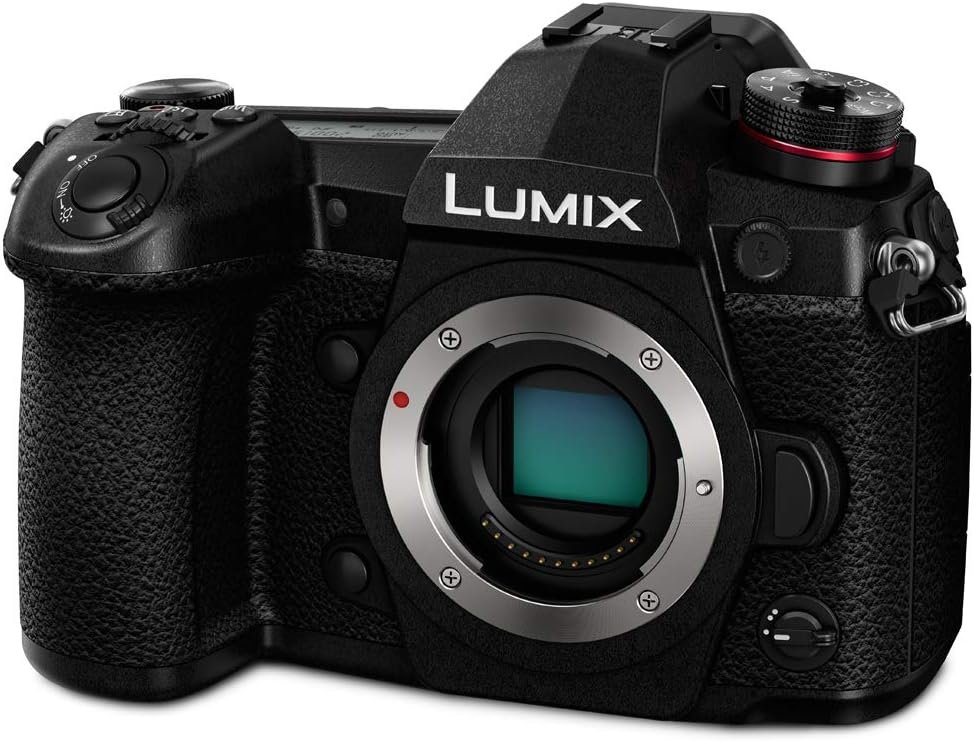
In this realm, the Panasonic Lumix DC-G9 II and Canon EOS R50 V emerge as two standout options that cater specifically to budget-conscious vloggers. The Lumix DC-G9 II, known for its robust build quality and impressive image stabilization, allows for smooth handheld footage, a vital feature for dynamic vlogging scenarios. On the other hand, the Canon EOS R50 V presents itself with a user-friendly interface and impressive autofocus capabilities, ensuring that vloggers can keep their subjects in sharp focus with minimal hassle.
As we delve deeper into the specifications and performance of these cameras, it becomes clear that both models provide viable options for aspiring vloggers. Each camera’s unique features and capabilities cater to different preferences, offering a comprehensive solution for those looking to enter the vlogging space without significant financial investment.
Overview of the Panasonic Lumix DC-G9 II
The Panasonic Lumix DC-G9 II is a powerful mirrorless camera that caters particularly well to vloggers seeking a balanced combination of functionality and affordability. At the core of its design lies a Micro Four Thirds sensor that boasts an impressive 20.3-megapixel resolution, offering crystal-clear image quality and exceptional low-light performance. This feature is crucial for vloggers who often work in various lighting conditions, ensuring that their content remains sharp and engaging.


One of the standout features of the Lumix DC-G9 II is its advanced video capabilities. It supports 4K video recording at up to 60 frames per second, providing smooth and professional-grade footage that can elevate any vlogging project. Additionally, the camera incorporates advanced stabilization technology, minimizing shake and allowing for handheld shooting without losing visual integrity, which is essential for dynamic vlogging scenarios.
Another advantage of the Panasonic Lumix DC-G9 II is its extensive lens compatibility. With access to a wide range of Micro Four Thirds lenses, vloggers can easily find the right lens for their specific shooting needs, whether it be for wide-angle shots or close-ups. This flexibility enhances creative control over content creation, allowing users to adapt to different environments and scenarios with ease.
Additionally, the user interface of the Lumix DC-G9 II is designed with usability in mind, featuring intuitive menu systems that simplify access to essential settings. The camera also includes customizable function buttons and a high-resolution electronic viewfinder, which enhances the shooting experience for vloggers. Overall, the Panasonic Lumix DC-G9 II stands out as a formidable tool for content creators seeking high-quality video performance without straying from a budget.
Overview of the Canon EOS R50 V
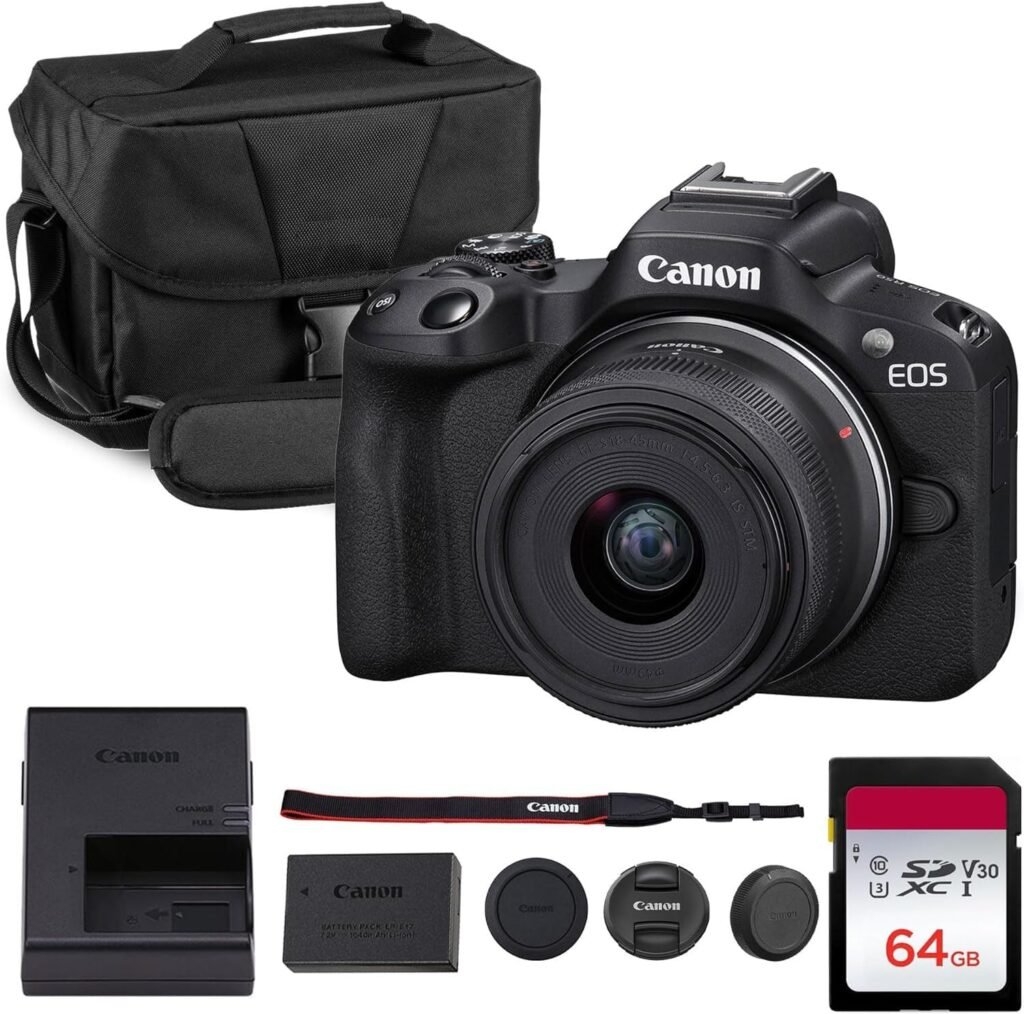
The Canon EOS R50 V is a compelling choice for vloggers seeking an affordable yet feature-rich camera. This mirrorless camera is designed with a focus on versatility and user-friendliness, making it ideal for both beginners and more experienced content creators. One of the standout features is its impressive 24.2 MP APS-C sensor, which delivers high-quality images with excellent detail and clarity, providing excellent performance in various lighting conditions that vloggers might encounter.


In terms of video capabilities, the EOS R50 V supports 4K video recording at up to 30 frames per second, which is a significant advantage for those looking to create professional-grade vlogs. Additionally, the camera incorporates Canon’s Dual Pixel CMOS AF system, ensuring fast and accurate autofocus even during challenging shooting scenarios. This feature is particularly beneficial for vloggers, as it allows for smooth and uninterrupted focus transitions while capturing dynamic content.
The ergonomic design of the Canon EOS R50 V enhances user experience, making it comfortable to handle during extended shooting sessions. Its compact size and lightweight build make it easy to carry, which is essential for vloggers who are often on the move. Another notable aspect is its Vari-angle touchscreen LCD, providing flexibility in framing shots from various angles. This feature allows creators to easily monitor their recording while maintaining optimal composition.
Moreover, the EOS R50 V is compatible with Canon’s extensive range of interchangeable lenses, granting vloggers the creative freedom to switch lenses based on their specific needs or preferences. Whether it’s wide-angle for landscape shots or prime lenses for close-ups, this versatility makes the Canon EOS R50 V a robust option for anyone involved in vlogging.
Comparative Analysis: Image Quality and Performance
In the realm of vlogging, image quality and performance are pivotal for capturing engaging content. The Panasonic Lumix DC-G9 II and the Canon EOS R50 V each display distinct advantages in these areas, making it crucial for potential users to comprehend their capabilities.
The Panasonic Lumix DC-G9 II offers a micro four-thirds sensor that delivers a resolution of 20.3 megapixels. This resolution is well-suited for vlogging as it provides ample detail for both close-up shots and wider scenes. Furthermore, the G9 II is renowned for its exceptional color accuracy, which can render vibrant and true-to-life hues, particularly beneficial for those who prioritize visual fidelity in their video content.

On the other hand, the Canon EOS R50 V features a larger APS-C sensor, boasting a resolution of 24.1 megapixels. This higher resolution can translate into better detail recovery, especially in intricate scenes, making it an attractive option for those looking to capture high-resolution footage. Additionally, the EOS R50 V is designed to excel in low-light environments, showcasing improved performance in dimly lit settings, a common situation in vlogging scenarios.
When it comes to autofocus capabilities, both cameras are equipped with advanced systems that ensure sharp focus during recording. The Lumix G9 II incorporates a fast and reliable contrast-detection autofocus, while the EOS R50 V utilizes Canon’s Dual Pixel autofocus technology, which is known for its rapid and accurate focusing. This feature is crucial for vloggers who require quick adjustments to maintain sharp images while moving or interacting with subjects.
In conclusion, both the Panasonic Lumix DC-G9 II and the Canon EOS R50 V offer commendable image quality and performance characteristics that cater to different vlogging needs. The choice between the two will ultimately depend on specific requirements such as desired resolution, lighting conditions, and autofocus preferences.
Video Features: Which Camera is Better for Vlogging?
When assessing the video capabilities of both the Panasonic Lumix DC-G9 II and the Canon EOS R50 V, it is crucial to consider several critical factors that directly impact the vlogging experience. The resolutions supported by each camera are pivotal; the Lumix DC-G9 II impressively captures video at a maximum resolution of 4K at 60 frames per second (fps), while the Canon EOS R50 V also provides 4K capabilities but at a maximum of 30 fps. This disparity in frame rates may influence vloggers who prioritize smooth motion in their videos, especially in dynamic shooting conditions.

- INCLUDED – Panasonic LUMIX G9II, battery pack/charger, USB cable, strap, hot shoe cover, Lexar 64GB SD card, extra batte…
- CAPTURE BREATHTAKING DETAIL – Experience stunning 25.21MP image quality with a Live MOS sensor, ensuring every shot is r…
- PERFORM IN ANY LIGHT – Achieve exceptional low-light performance with ISO sensitivity up to 25600, capturing clear, nois…
- UNLEASH PROFESSIONAL VIDEO – Record high-quality video in MOV and MP4 formats, with options up to 5.8K, ProRes, and FHD …
- NEVER MISS A MOMENT – Benefit from high-speed burst shooting up to 75fps with the electronic shutter, ideal for capturin…
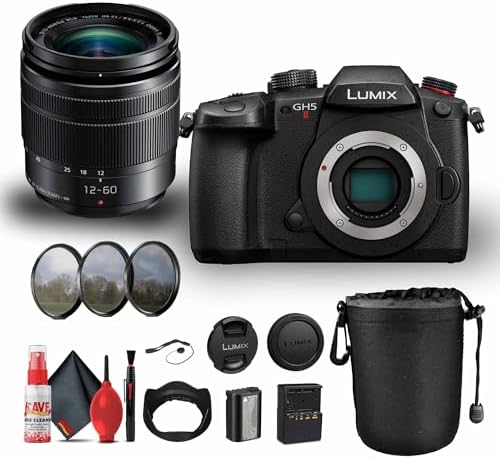
- Versatile Video & Stills Performance: The Panasonic Lumix GH5 II offers a 20.3MP Live MOS sensor with AR coating, enabli…
- Advanced Stabilization & Autofocus: Featuring an upgraded 5-axis stabilization system compatible with Lumix O.I.S lenses…
- Live Streaming & Connectivity: Designed for modern content creators, the GH5 II supports high-quality live streaming via…
- Robust Build & User-Friendly Design: Built from magnesium alloy, the GH5 II is splash, dust, and freezeproof. It include…
- This Bundle Includes: Panasonic GH5 II Mirrorless Camera, 12-60mm f/3.5-5.6 Lens, Battery, Battery Charger, 3-Piece Filt…

- High-Performance Sensor: The Panasonic Lumix G9 II features a 25.2MP Live MOS Micro Four Thirds sensor, delivering outst…
- Versatile Video Capabilities: This mirrorless camera supports C4K/4K 60p 4:2:2 10-Bit video recording and boasts a uniqu…
- Advanced Autofocus: With a Phase Hybrid AF system and 779 phase-detection points, the G9 II offers fast and precise auto…
- Stabilization and Durability: Dual I.S. 2 combines 5-axis sensor stabilization with lens-based 2-axis stabilization, ens…
- Connectivity and Workflow: Equipped with dual SD card slots, Wi-Fi, and Bluetooth connectivity, the G9 II offers seamles…
Moreover, video stabilization is essential for vlogging, where handheld shooting is the norm. The Panasonic Lumix DC-G9 II offers advanced in-body image stabilization (IBIS), which effectively mitigates camera shake. This feature can be particularly beneficial when filming while moving, ensuring a professional-looking result without needing additional equipment. The Canon EOS R50 V, while offering electronic stabilization, may not match the Lumix’s effectiveness, which could result in minor jitters during active filming scenarios.
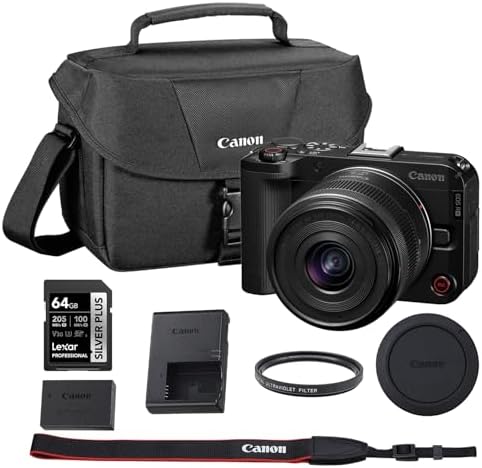
- This Canon Camera Bundle comes with a 1-Year Canon Manufacturer Warranty.
- Offering a compact interchangeable lens option for creators and vloggers, the Canon EOS R50 V Mirrorless Camera adds UHD…
- Pairing a powerful 24.2MP APS-C CMOS sensor and DIGIC X image processor, the R50 V delivers high-resolution imagery with…
- A versatile, video-ready zoom in a compact package, the Canon RF-S 14-30mm f/4.5-6.3 IS STM PZ Lens is made specifically…
- Designed for SD devices that can capture Full HD, 3D, and 4K video, as well as raw and burst photography, the 64GB Extre…
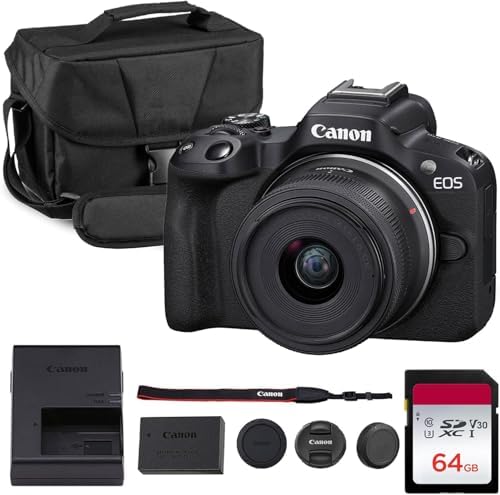
- Canon USA Authorized. Items Include: Canon EOS R50 Mirrorless Camera Kit – APS-C RF Camera with 18-45mm Lens, 4K Video, …
- Great for Vloggers & Beginners: Lightweight and easy to use, the R50 is perfect for new creators who want great quality …
- Includes Versatile 18–45mm Lens: Covering wide to standard focal lengths, this compact zoom lens is great for daily cont…
- Oversampled 4K with Dual Pixel AF: Enjoy sharp, smooth footage with reliable subject tracking, face/eye detection, and a…
- Creative Assist & Vertical Video: In-camera guides and social-ready tools like vertical shooting make it easy to create …
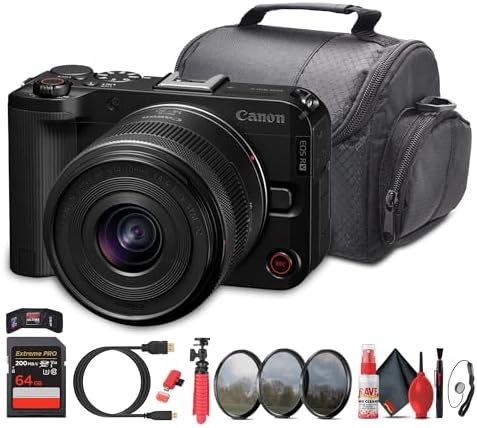
- Items Include: Canon EOS R50 V Camera + 14–30mm Power Zoom Lens , 64GB Extreme PRO UHS-I SDXC Memory Card, Padded Camera…
- All-in-One Content Creation Kit: This bundle includes the Canon EOS R50 V and a versatile 14–30mm Power Zoom lens—giving…
- 4K60p Oversampled Video with No Crop: Capture ultra-high-resolution video using oversampled 6K footage, delivering smoot…
- Dual Pixel CMOS AF II with Smart Tracking: Enjoy advanced autofocus that locks onto people, animals, and moving subjects…
- Built-In Audio, Wireless Sharing: Enjoy clean, crisp sound from the built-in microphone or connect an external mic for e…
Audio quality is another vital component of vlogging. Both cameras are equipped with a microphone input, enabling vloggers to connect high-quality external microphones for improved sound recording. This feature enhances the overall production value of vlogs, allowing creators to capture clear audio without interference from the camera’s internal microphone. Additionally, both models feature articulating screens, which are indispensable for vloggers needing to monitor themselves while filming. The Lumix DC-G9 II sports a fully articulated touchscreen that rotates 180 degrees, making it particularly user-friendly for solo content creators. Conversely, the Canon EOS R50 V has a similar hinged design but may offer lesser flexibility due to its specific range of motion.
Ultimately, while both cameras cater to the needs of vloggers, the Panasonic Lumix DC-G9 II appears to provide a broader array of videography-friendly features that can significantly enhance the vlogging process.
Budget Considerations: Affordability and Value for Money
The decision to purchase a camera for vlogging should be informed by both affordability and overall value for money. In this regard, the Panasonic Lumix DC-G9 II and the Canon EOS R50 V present distinct price points that are significant to aspiring content creators on a budget. The Panasonic Lumix DC-G9 II is typically priced higher, reflecting its advanced features and capabilities tailored for professional use. As of now, it sits in a range that may be considered a stretch for some, but it offers features that justify the expense, including robust image stabilization and high-quality video recording capabilities.
On the other hand, the Canon EOS R50 V tends to be positioned as a more budget-friendly option, which could attract those who are new to vlogging or are seeking a more economical solution without compromising too much on features. It presents essential functionalities suitable for vlogging, albeit with some trade-offs in advanced options when compared to the G9 II. Both cameras, however, require additional investments in lenses and accessories, which can inflate the initial costs significantly.
When assessing value for money, it is essential to evaluate not just the purchase price but also the long-term benefits each camera brings. The Lumix DC-G9 II, with its higher price, offers features that may enhance the quality of vlogs significantly over time. In contrast, the EOS R50 V, while more affordable, may require you to invest in accessories sooner, which could balance out the overall costs. Therefore, prospective buyers should weigh their vlogging requirements against their budget constraints to determine which camera aligns best with their financial situation and content creation goals.
User Reviews and Feedback
In examining user reviews for both the Panasonic Lumix DC-G9 II and the Canon EOS R50 V, it becomes evident that user experiences significantly influence purchasing decisions, especially for vloggers on a budget. Feedback from DSLR and mirrorless camera enthusiasts highlights the strengths and weaknesses of both models in practical, everyday use.
Users of the Panasonic Lumix DC-G9 II frequently cite its impressive image stabilization as a standout feature, particularly beneficial for vlogging scenarios where movement is often unavoidable. Many reviewers appreciate the camera’s ability to capture high-quality video in varying lighting conditions, making it a favorable choice for those who frequently record outdoors or in challenging environments. Additionally, vloggers have noted the user-friendly interface, allowing for smooth operation while filming. However, some users have pointed out that the autofocus system, although effective, may not be as responsive as desired in fast-paced situations.
Conversely, the Canon EOS R50 V has garnered positive feedback for its compact design and lightweight construction, making it an appealing option for vloggers who favor portability. Users have praised its intuitive touchscreen controls and fast autofocus, which contribute to a seamless shooting experience. The camera also boasts impressive color reproduction, which is often highlighted in user testimonials as a significant advantage for content creation. Nonetheless, there are mentions of limitations related to battery life; some users have noted that extensive video shooting can drain the battery quickly, necessitating the need for spare batteries during long recording sessions.
Overall, user reviews provide valuable insight into the practical advantages and disadvantages of both the Panasonic Lumix DC-G9 II and Canon EOS R50 V, aiding potential buyers in making informed decisions based on real-world experiences.
Choosing the Right Camera for Your Vlogging Needs
When it comes to selecting a camera for vlogging, various factors must be considered to ensure that it aligns with your specific requirements. Both the Panasonic Lumix DC-G9 II and the Canon EOS R50 V offer unique advantages that cater to different styles of content creation. Understanding your content style can greatly influence your decision.
If your vlogging focuses on fast-paced action, such as travel vlogs or sports, the Panasonic Lumix DC-G9 II could be more suited for your needs. It boasts a robust autofocus system, rapid burst shooting, and impressive image stabilization, allowing you to capture dynamic moments with clarity. In contrast, if your vlogging style is more about storytelling or creating sit-down content, the Canon EOS R50 V may better serve you. Its user-friendly interface and exceptional color science cater to those who prioritize ease of use and aesthetic appeal in their videos.
Budget constraints might also play a crucial role in your camera choice. The Canon EOS R50 V generally falls in a more affordable range, providing excellent value for beginner vloggers. Conversely, while the Panasonic Lumix DC-G9 II might come at a higher price point, it offers advanced features that could be worth the investment for more serious content creators. It is essential to weigh what features matter most to you against your financial limitations.
Finally, personal preferences regarding specific features, such as audio quality, lens compatibility, and video resolution, can influence your decision. For instance, if high-resolution 4K video is crucial for your content, consider how each camera performs in this aspect. Ultimately, assessing your vlogging style alongside your budget and preferences will help clarify which camera might be the better fit for you.
Conclusion: Final Thoughts on the Panasonic Lumix DC-G9 II and Canon EOS R50 V
In evaluating the Panasonic Lumix DC-G9 II and Canon EOS R50 V for vlogging on a budget, it becomes apparent that both cameras possess unique strengths and appeal to different types of creators. The Panasonic Lumix DC-G9 II, with its impressive stabilization system and superior autofocus capabilities, stands out for those who prioritize smooth, steady footage in dynamic environments. Additionally, its robust build quality and weather sealing make it a solid choice for outdoor vlogging scenarios.
Conversely, the Canon EOS R50 V offers an approachable user interface and strong color science, making it an excellent option for beginners or those who prefer a straightforward shooting experience. This model excels in delivering vibrant images, which is crucial for eye-catching vlogs that aim to engage viewers. Furthermore, the compact design of the EOS R50 V adds an element of portability, appealing to vloggers who travel frequently.
Ultimately, the choice between these two models hinges on individual preferences and specific vlogging needs. Creators seeking high-quality video with advanced features may gravitate towards the Panasonic Lumix DC-G9 II. In contrast, those looking for ease of use and excellent image quality might find the Canon EOS R50 V to be more aligned with their vision. We encourage you to reflect on what aspects are most vital to your vlogging style. Whether it’s advanced features, ease of use, or image quality, understanding your priorities will guide you in selecting the ideal camera for your needs. Each model has its merits, making the decision process essential for your vlogging journey.
