Introduction to iPad Lineup
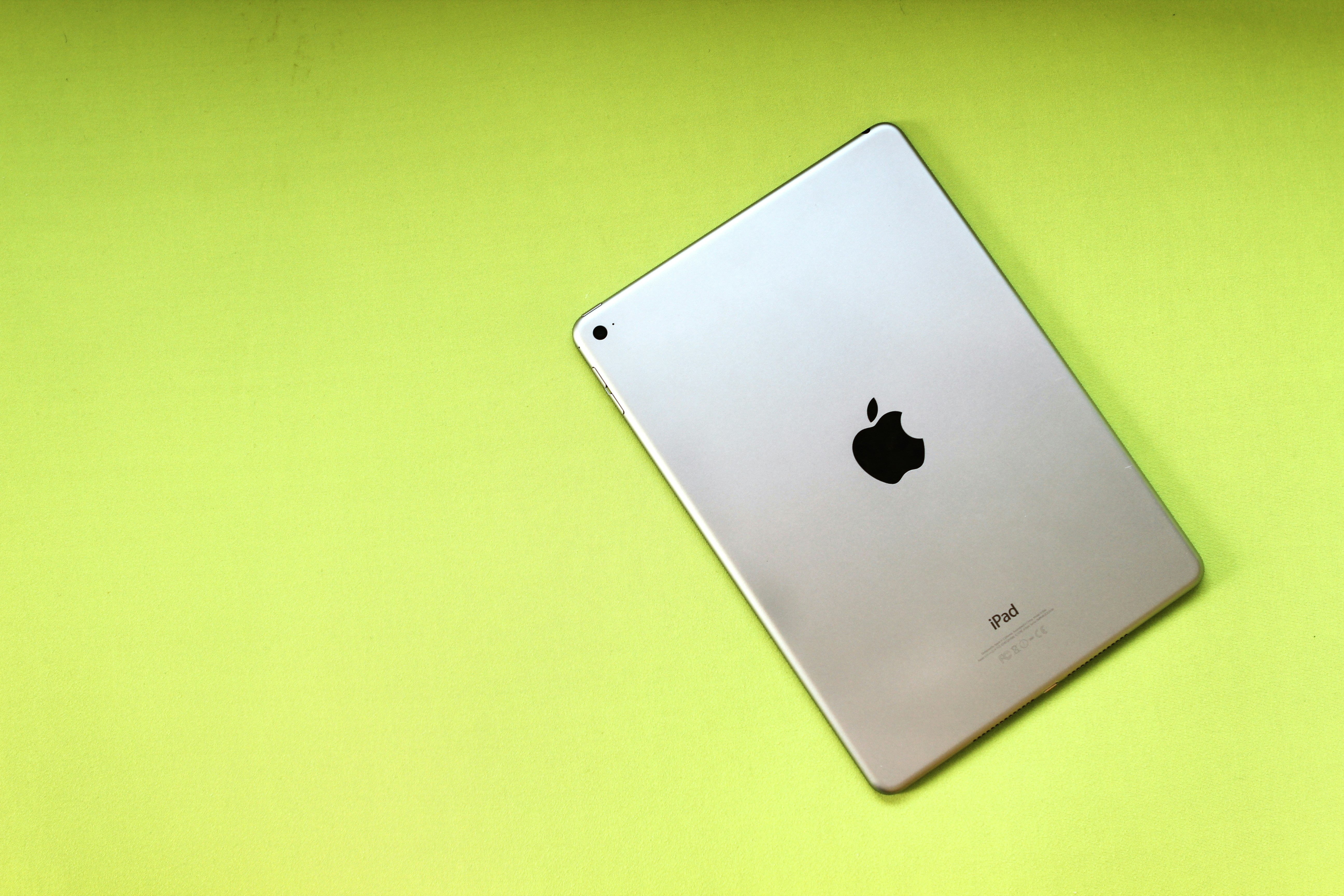
Apple’s iPad lineup has undergone significant evolution since its inception in 2010, becoming a cornerstone of the tablet market. Initially launched as a simple device for browsing and media consumption, the iPad has transformed into a powerful tool suitable for various user needs, encompassing education, entertainment, and professional productivity. Within this lineup, the Pro and Air models stand out, each designed to cater to specific demographics and use cases.

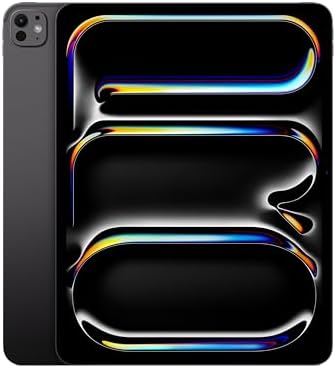
The iPad Pro, particularly the 11-inch M5 model, is engineered for professionals seeking high performance and advanced features. It offers powerful processors, enhanced display technology, and superior accessories like the Apple Pencil and Magic Keyboard. This makes it particularly appealing to graphic designers, video editors, and business professionals who require a robust device capable of handling intensive tasks. The iPad Pro embodies the blend of portability and power, positioning itself as a premium choice in the tablet sector.
On the other hand, the iPad Air, represented by the 11-inch M3 model, targets a broader audience that includes students, casual users, and even creatives who may not need the higher specifications of the Pro line. Featuring a balanced combination of performance and affordability, the iPad Air is suitable for everyday tasks such as note-taking, streaming, and simple creative projects, thereby positioning itself as a versatile option in Apple’s tablet offerings. Its appeal lies in providing a capable and efficient experience without venturing into the high price point of the Pro series.
This comparison of the Apple iPad Pro 11-inch M5 and iPad Air 11-inch M3 will delve deeper into their specifications and features, illustrating how these two models fit into the broader landscape of Apple’s tablet offerings while meeting the diverse needs of their target audiences.
Design and Build Quality
The design and build quality of a device are critical factors that can greatly influence a consumer’s purchasing decision. In this comparison of the Apple iPad Pro 11-inch (M5) and the iPad Air 11-inch (M3), both models showcase sleek and contemporary aesthetics that reflect Apple’s commitment to high-end design.
Starting with the Apple iPad Pro 11-inch (M5), this tablet features a premium aluminum chassis, which not only lends durability but also offers a sophisticated appearance. The Pro model is characterized by its flat edges, giving it a modernized look compared to previous iterations. Available in Silver and Space Gray, the color options complement the device’s shiny finish and attract a variety of users. In addition, the dimensions of the M5 model measure approximately 247.6 x 178.5 x 6.4 mm, making it lightweight and easily portable, which is especially beneficial for professionals and students alike.

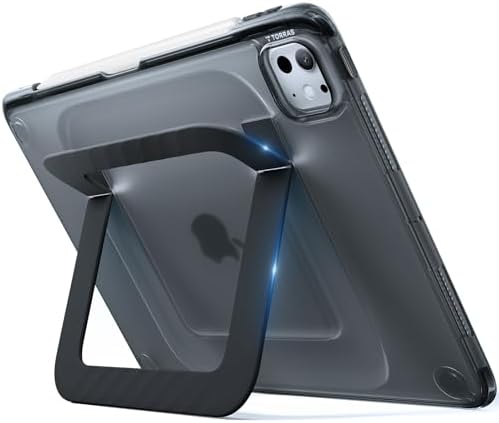
Conversely, the Apple iPad Air 11-inch (M3) also showcases an impressive design. With a similarly crafted aluminum body, the iPad Air maintains a lightweight profile while offering robust durability. The iPad Air presents a slightly rounded edge compared to the iPad Pro, which some users may find more comfortable to hold. It shares color options such as Space Gray, Silver, and a few additional hues like Green and Sky Blue, which might appeal to those looking for a more personalized device. The dimensions of the Air model are comparable, standing at 247.6 x 178.5 x 6.1 mm, contributing to a slender and elegant form factor.
In conclusion, both the Apple iPad Pro 11-inch (M5) and the iPad Air 11-inch (M3) exhibit a commendable level of design sophistication and build quality. The choice between the two may ultimately depend on a consumer’s preference for either a more modern edge or a classic rounded design, as both devices deliver excellent aesthetic appeal and durability.
Display Technology: Ultra Retina XDR vs. Liquid Retina
The Apple iPad Pro 11-inch (M5) features an advanced Ultra Retina XDR display, which is acclaimed for its superior resolution and stunning visual clarity. This display utilizes a unique nano-texture glass that not only enhances contrast but also minimizes glare. With a resolution of 2388 x 1668 pixels at 264 pixels per inch (PPI), the Ultra Retina XDR offers a color accuracy that exceeds many traditional screens, ensuring that images appear remarkably lifelike. This display technology supports a peak brightness of 1600 nits, facilitating optimal performance even in brightly lit environments. Thus, whether for professional photography editing or immersive gaming experiences, the iPad Pro’s display stands out significantly.

In contrast, the Apple iPad Air 11-inch (M3) is equipped with a Liquid Retina display. While it also boasts a strong resolution of 2360 x 1640 pixels at 264 PPI, it does not reach the peak brightness levels found in the Pro model, as it maxes out at 600 nits. The Liquid Retina display employs advanced color management technologies and features such as True Tone and P3 wide color for exceptional color reproduction and vividness. For everyday tasks like browsing, streaming, and productivity applications, the Liquid Retina display performs admirably; however, it may lack the extreme contrast ratios and brightness of its Ultra Retina XDR counterpart.
When comparing the overall viewing experience, users will find that the iPad Pro’s Ultra Retina XDR display, with its higher brightness and superior color accuracy, may appeal more to professionals requiring precision in visual detail. Conversely, the iPad Air’s Liquid Retina offers an excellent balance for casual users seeking high-quality visuals at a more accessible price point. Ultimately, the choice between these two display technologies will depend on the user’s priorities, whether it is for professional use or general entertainment purposes.
Performance: M5 Chip vs. M3 Chip
The performance capabilities of the Apple iPad Pro 11-inch powered by the M5 chip and the Apple iPad Air 11-inch featuring the M3 chip are noteworthy. Each chip represents a significant advancement in technology, specifically in processing power, graphics capability, and overall efficiency. The M5 chip, designed for the iPad Pro line, offers superior performance for high-demand applications, catering to creative professionals and gamers alike.
In terms of raw processing power, the M5 chip boasts enhanced CPU and GPU performance compared to the M3 chip. This is particularly noticeable during multitasking scenarios, where the M5 can handle complex workflows seamlessly. Users engaged in intensive tasks such as video editing and 3D rendering will find that the iPad Pro, with its M5 chip, provides a smoother and faster experience. The architecture of the M5 chip supports more threads concurrently, which is beneficial for applications that take advantage of multi-core processing.
Graphics capabilities also play a crucial role in distinguishing these two chips. The M5 chip is engineered with advanced graphics technology that significantly enhances visual performance, making it suitable for graphically demanding games and design applications. For instance, when running high-resolution games or apps, the iPad Pro’s M5 chip typically outperforms the M3 chip found in the iPad Air, illustrating the difference in rendering speeds and visual fidelity.
Moreover, the M5 chip contributes to improved energy efficiency, allowing for extended battery life without compromising on performance. This becomes particularly essential for users who rely on their devices for long periods without frequent charging. Ultimately, while both the M5 and M3 chips deliver excellent performance, the discriminating factors often hinge on the specific use cases; those who need absolute power might prefer the M5 in the iPad Pro, while everyday users may find the M3 in the iPad Air perfectly adequate.
Camera Capabilities and Lidar Scanner
The camera systems on the Apple iPad Pro 11-inch (M5) and the Apple iPad Air 11-inch (M3) represent significant advancements in tablet technology, aimed at enhancing photography and videography experiences. Both devices are equipped with impressive 12MP front and rear cameras, enabling users to capture high-resolution images and videos. This ensures that whether you are snapping photos at an event or recording a tutorial, the output maintains exceptional quality.
Notably, the iPad Pro includes a Lidar scanner, which sets it apart from the iPad Air. This technology enhances depth perception and is invaluable for augmented reality (AR) applications. The Lidar scanner allows for much more precise placement of virtual objects in real environments, greatly enriching the user experience in apps designed for AR. Artists, designers, and educators can utilize this feature to create immersive experiences, making the iPad Pro the preferred choice for those heavily invested in AR technology.
Photography capabilities are further enhanced by features such as Smart HDR and advanced image processing algorithms present in both devices. These allow for stunning photos even in challenging lighting conditions. The front-facing 12MP camera supports Center Stage, which automatically adjusts the frame during video calls to keep users in focus, adding significant value for remote working or teaching scenarios.
In terms of video recording, both iPads support 4K resolution at multiple frame rates, ensuring high-quality output regardless of the scenario. However, the iPad Pro’s additional Lidar scanner facilitates advanced video effects and production techniques, making it more appealing for content creators focused on videography.
Connectivity and Features: Wi-Fi 7 vs. Wi-Fi 6e, Face ID, Touch ID
The Apple iPad Pro 11-inch (M5) and the iPad Air 11-inch (M3) differ significantly in their connectivity capabilities, primarily with the introduction of Wi-Fi 7 in the iPad Pro compared to Wi-Fi 6e in the iPad Air. Wi-Fi 7, also referred to as 802.11be, promises enhanced performance and efficiency, providing users with faster internet speeds, increased capacity for multiple devices, and greater stability, even in environments with heavy network traffic. This advancement makes it particularly appealing for content creators and professionals who depend on quick downloads and seamless streaming experiences.
In contrast, Wi-Fi 6e in the iPad Air offers solid performance, delivering improved speeds and reduced latency over its predecessor, Wi-Fi 6. While it is still a robust choice for most users, those who opt for the iPad Pro will benefit from the future-proofing capabilities of Wi-Fi 7. This feature allows the iPad Pro to harness the advantages of upcoming routers and devices that utilize this latest standard.
Besides connectivity, security features play a pivotal role in enhancing the user experience. The iPad Pro utilizes Face ID, enabling users to unlock their device and authorize purchases merely by looking at it. This facial recognition technology is not only convenient but also considered secure due to its sophisticated mapping of facial features. Meanwhile, the iPad Air incorporates Touch ID, allowing users to unlock the device via fingerprint scanning. Both Face ID and Touch ID are effective, but the preference often comes down to user habits. Users who favor a hands-free approach may gravitate toward Face ID, whereas those who prefer tactile feedback might opt for Touch ID.
Storage Options: 1TB vs. 128GB
When choosing between the Apple iPad Pro 11-inch (M5) and the Apple iPad Air 11-inch (M3), storage is a crucial factor that individuals must consider based on their specific needs. The iPad Pro offers a substantial 1TB storage option, while the iPad Air is limited to a maximum of 128GB. This disparity in storage capacity can significantly influence the user experience depending on how one intends to utilize the device.


The 1TB storage in the iPad Pro is ideal for professionals and creatives who regularly work with large files, such as high-resolution videos, intricate designs, or comprehensive documents. For instance, those engaged in video editing will appreciate the ability to store multiple projects simultaneously without having to constantly offload files. Additionally, having ample storage can facilitate the installation of various apps that are typically data-heavy, providing a smoother operational workflow.
On the other hand, the 128GB storage option in the iPad Air can be suitable for casual users who engage primarily in web browsing, streaming, and light productivity tasks. This amount of storage is typically sufficient for those who do not store large amounts of media locally, relying instead on cloud services or external storage options. However, users should be aware that this limited capacity can lead to challenges if one’s content consumption or productivity needs expand over time.
It is essential for potential buyers to assess their own storage needs carefully. For example, content creators and professionals might find that opting for the higher capacity storage on the iPad Pro meets their requirement for space, ensuring that they are equipped to handle demanding applications with ease. Conversely, if one primarily uses the device for basic functions, the more affordable iPad Air may serve well without the necessity for excessive storage performance.
Battery Life and Efficiency
When evaluating tablet performance, battery life and efficiency play a crucial role in determining a device’s overall usability. The Apple iPad Pro 11-inch (M5) and the Apple iPad Air 11-inch (M3) are both engineered to provide excellent battery performance, making them appealing choices for users who are frequently on the move.
The Apple iPad Pro 11-inch (M5) is equipped with a highly efficient battery that can provide up to 10 hours of surfing the web on Wi-Fi, watching video, or listening to music. This is particularly advantageous for professionals and creatives who may require extended usage during work or while traveling. The M5 chip enhances this efficiency, allowing the device to perform demanding tasks without compromising battery longevity. Furthermore, the iPad Pro supports fast charging, enabling users to quickly regain power during busy days.
In comparison, the Apple iPad Air 11-inch (M3) also boasts a commendable battery life, similarly offering up to 10 hours of usage under standard conditions. The M3 chip incorporates advanced power-saving technology, which helps to optimize performance while ensuring that users can enjoy prolonged usage without needing to reach for the charger frequently. The iPad Air’s slightly lower processing power compared to the Pro might suggest a difference in resource consumption; however, both devices are engineered to maintain efficiency across various tasks.
In conclusion, both the Apple iPad Pro 11-inch (M5) and Apple iPad Air 11-inch (M3) exhibit impressive battery life and efficiency, making them suitable for a range of activities. Users can expect reliable performance with adequate battery support for both work and entertainment purposes. Ultimately, the choice between the two may hinge more on other features, as battery efficiency remains a strong point for both tablets.
Conclusion: Which iPad is Right for You?
In the comparison between the Apple iPad Pro 11-inch (M5) and the Apple iPad Air 11-inch (M3), several key factors emerge that may influence a buyer’s decision. Both devices cater to a wide range of users, but their specifications and features suggest different target audiences. The iPad Pro is designed for those who require top-tier performance, possibly for intense professional tasks such as graphic design, video editing, or high-end gaming. With its advanced processing capabilities, improved display technology, and superior camera systems, the iPad Pro clearly stands out as the more powerful option.
On the other hand, the iPad Air offers a compelling alternative for users who prioritize performance while being more mindful of their budget. With robust specifications and a commitment to usability, it provides an excellent option for students, casual users, and even some professionals. The iPad Air’s capabilities support most productivity applications and media consumption tasks effectively without the steeper price tag associated with the Pro model.
When considering which iPad might be the better choice for you, it’s vital to assess individual needs and usage scenarios. If your work or hobbies demand the highest specifications and advanced functionalities, the iPad Pro may justify the investment. However, if your requirements are more moderate—requiring solid performance for browsing, streaming, and general productivity—the iPad Air is likely to serve you well at a lower cost.
Ultimately, the value proposition of each model rests on personal preferences, financial considerations, and intended uses. By weighing these aspects carefully, potential buyers can make an informed decision that aligns with their specific needs and enhances their day-to-day activities.